Choosing the Right Catamaran for Serious Offshore Fishing
A boat that handles a calm afternoon on the bay is not the same boat that belongs twenty miles offshore. Anglers who fish serious water know the difference shows up long before the first line goes in: in how the hull sits at rest, how much gear actually fits within reach, and how the ride feels three hours into the run out. If you're shopping for a boat built around real offshore fishing days, here's what actually matters, and where a catamaran changes the equation.
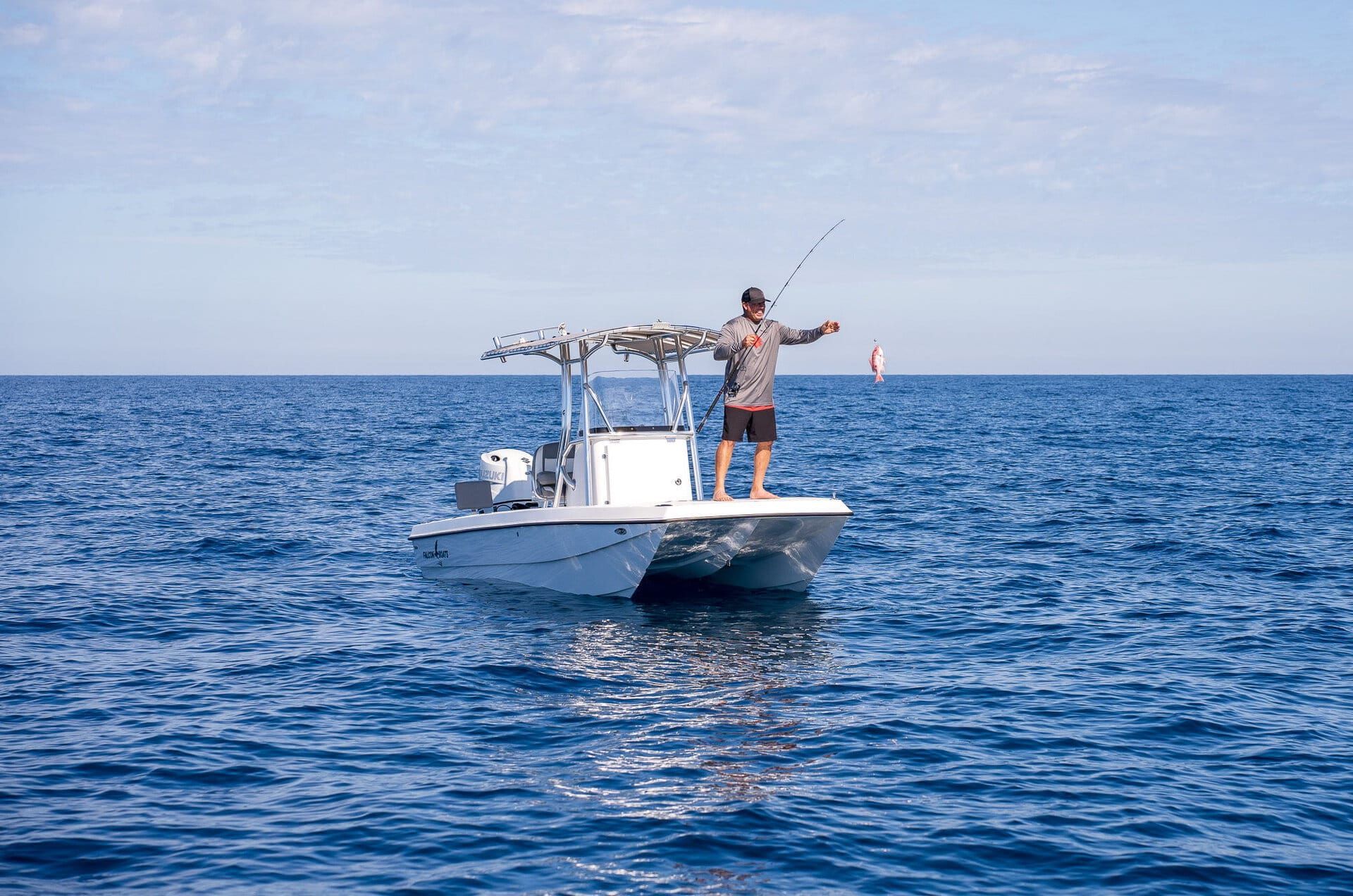
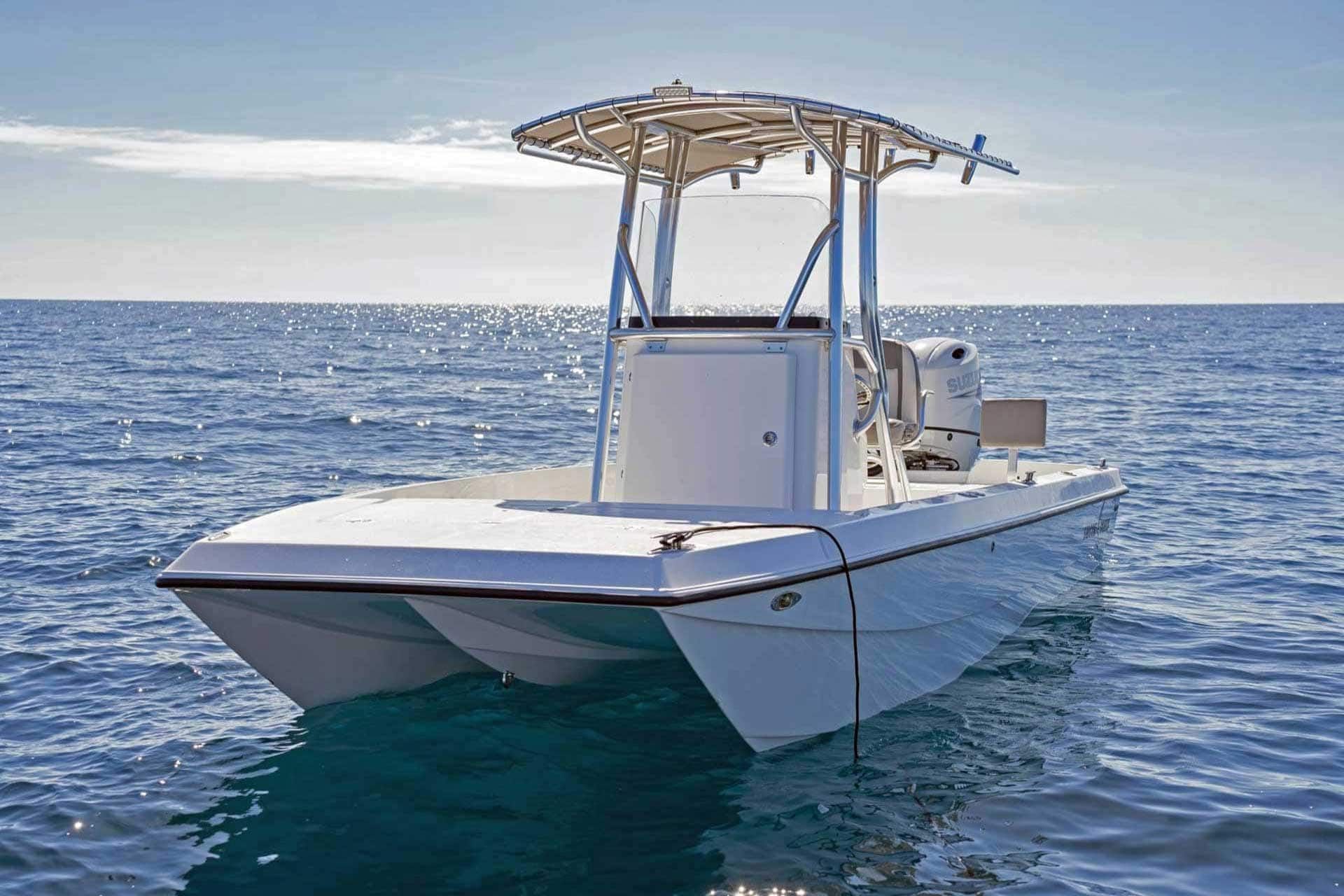
A twin-hull design gives you a wider footprint on the water than a monohull of the same length. That translates into a boat that sits flatter at rest, which matters a great deal when you're standing to fight a fish or leaning over the gunwale to net one. The added beam also opens up deck space that a monohull of the same size simply can't match, room for coolers, tackle, and a second or third angler working the deck without crowding the person next to them.
Shallower draft is another reason the switch keeps happening. Catamarans ride higher in the water, which means you can work skinny water near structure that would ground out a deep-V hull, then turn around and run offshore the same day.
Why More Anglers Are Looking at Catamarans
What to Actually Look For
Stability at rest matters more than stability underway. Any boat can feel steady moving at speed. What separates a good fishing platform is how it holds when you're stopped on a spot, drifting bait, or standing to cast. Ask how the hull performs anchored up, not just running.
Rigging and storage come next. A fishing boat needs a place for everything: rod storage that keeps gear secure on a rough run, a livewell positioned where it's actually convenient to use, and deck layout that doesn't force anglers to work around each other. It's worth walking the deck in person and picturing an actual trip, not just admiring it at the dock.
Range and ride quality round it out. Offshore trips mean fuel burn and time on the water add up fast, so ask direct questions about how the hull handles a beam sea and what kind of range you're realistically working with before you need to think about the return trip.
Where the F24 Fits
The
F24 is built as an all-around fishing platform, sized for a crew of two to four and rigged with the storage and deck space serious anglers ask for. It's the boat most owners reach for when the trip mixes structure fishing close to shore with the occasional run further out, and they want a boat that handles both without compromise.
When the F26 Makes More Sense
Step up to the
F26 when the trips get longer or the crew gets bigger. The added length brings more deck room and more stability on a longer offshore run, which matters when you're committing to a full day well outside sight of land. Owners running tournaments or regularly fishing further out tend to gravitate here.
Built the Same Way, Regardless of Model
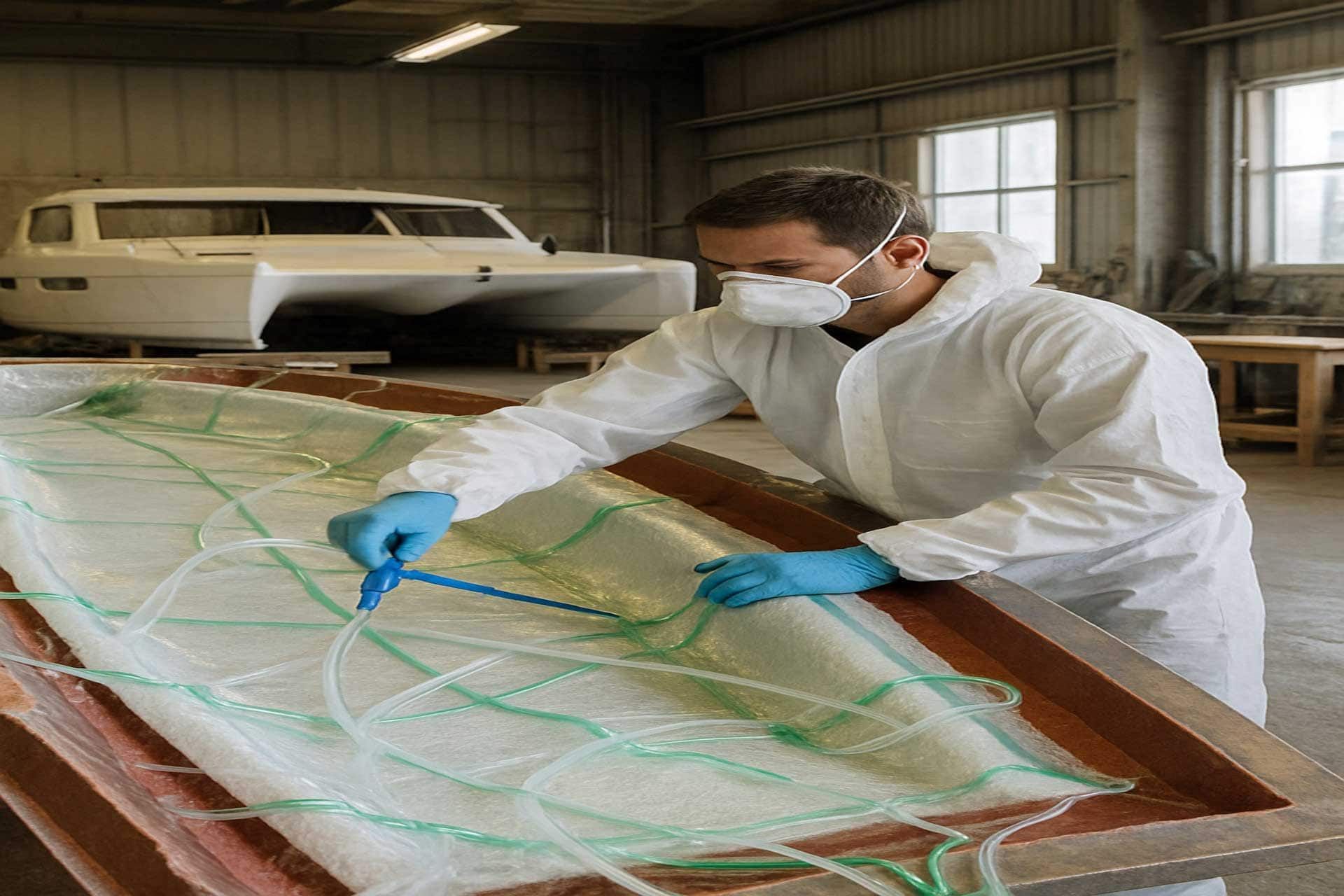
Every Falcon hull,
F22 through the
Bay22, is built using vacuum infusion rather than hand lamination. The process pulls resin through the laminate under vacuum pressure, which produces a more consistent, lighter hull with less excess resin weighing the boat down. It's a construction detail that doesn't show up in a photo, but it shows up in how the boat rides and holds up over years of saltwater use.
Ready to See One in Person
Photos and spec sheets only tell part of the story. If you're weighing the F24 against the F26, the best next step is standing on both decks and picturing your actual trips. Reach out to schedule a sea trial, or request a quote to get exact pricing and availability for your area.