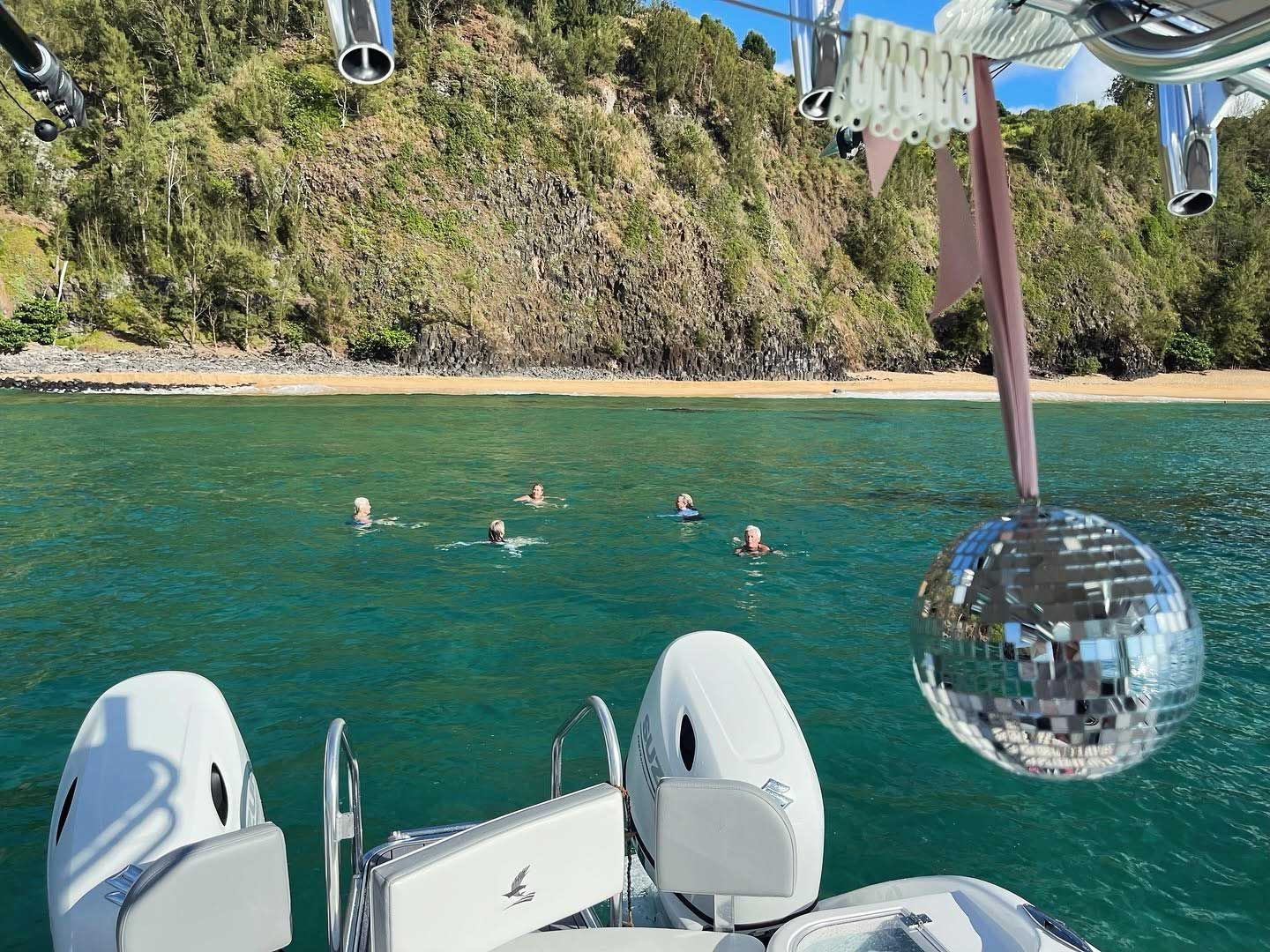
Semi-Custom, Not Cookie-Cutter: How Falcon Boats Builds a Catamaran Around Your Life
Most people shopping for a boat start with a spec sheet. Length, beam, engine options, a color chart. That's how monohull dealers sell, and honestly, it's how a lot of catamaran builders sell too — pick a hull, pick a package, sign here. We build differently, and the reason isn't marketing. It's that the way you use a boat and the way your neighbor uses a boat are rarely the same, even if you end up buying the same model.
Semi-custom is a phrase that gets thrown around loosely in this industry, so it's worth being specific about what it actually means at Falcon.
The Hull Is the Constant. Everything Else Is a Conversation
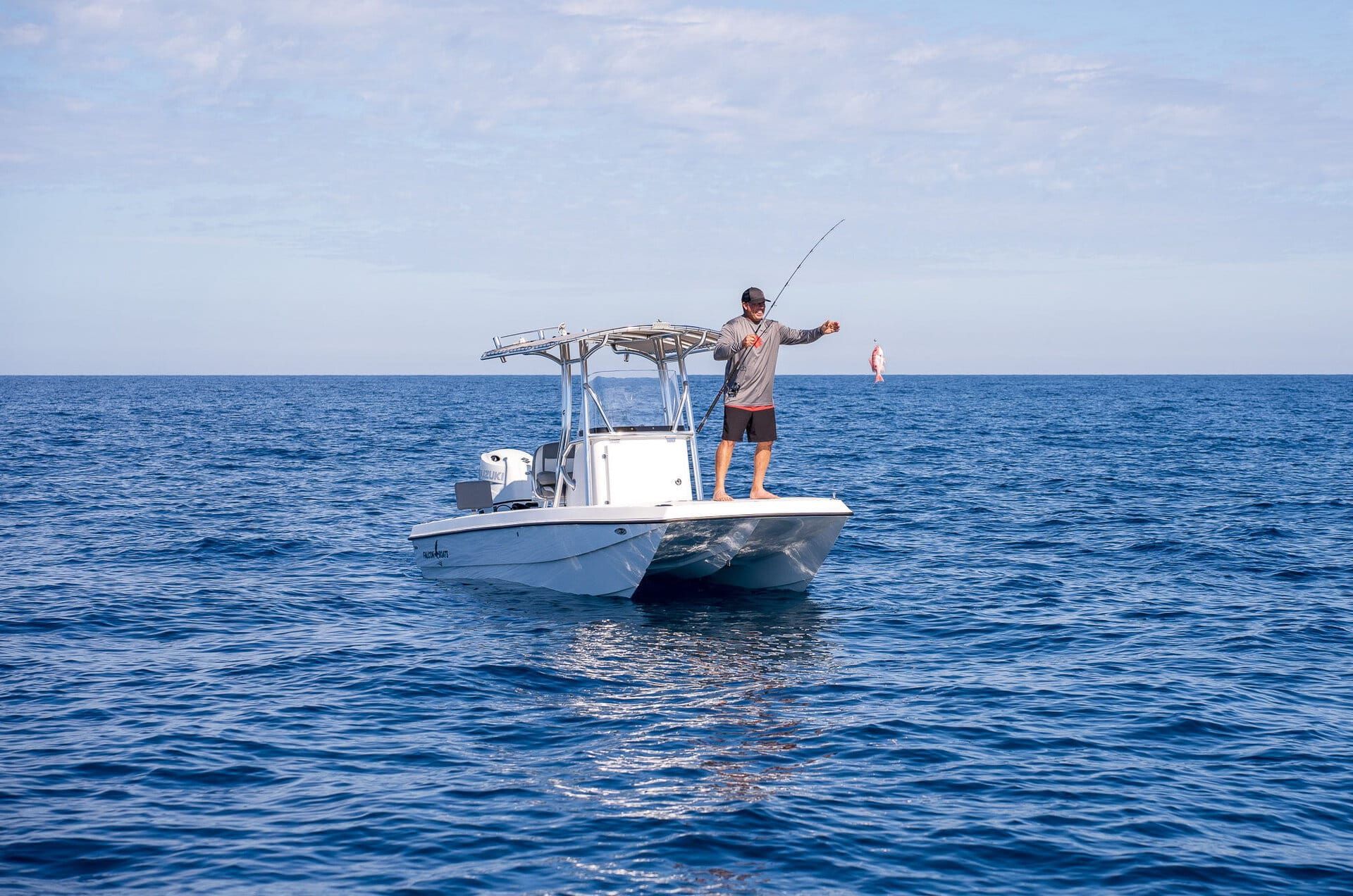
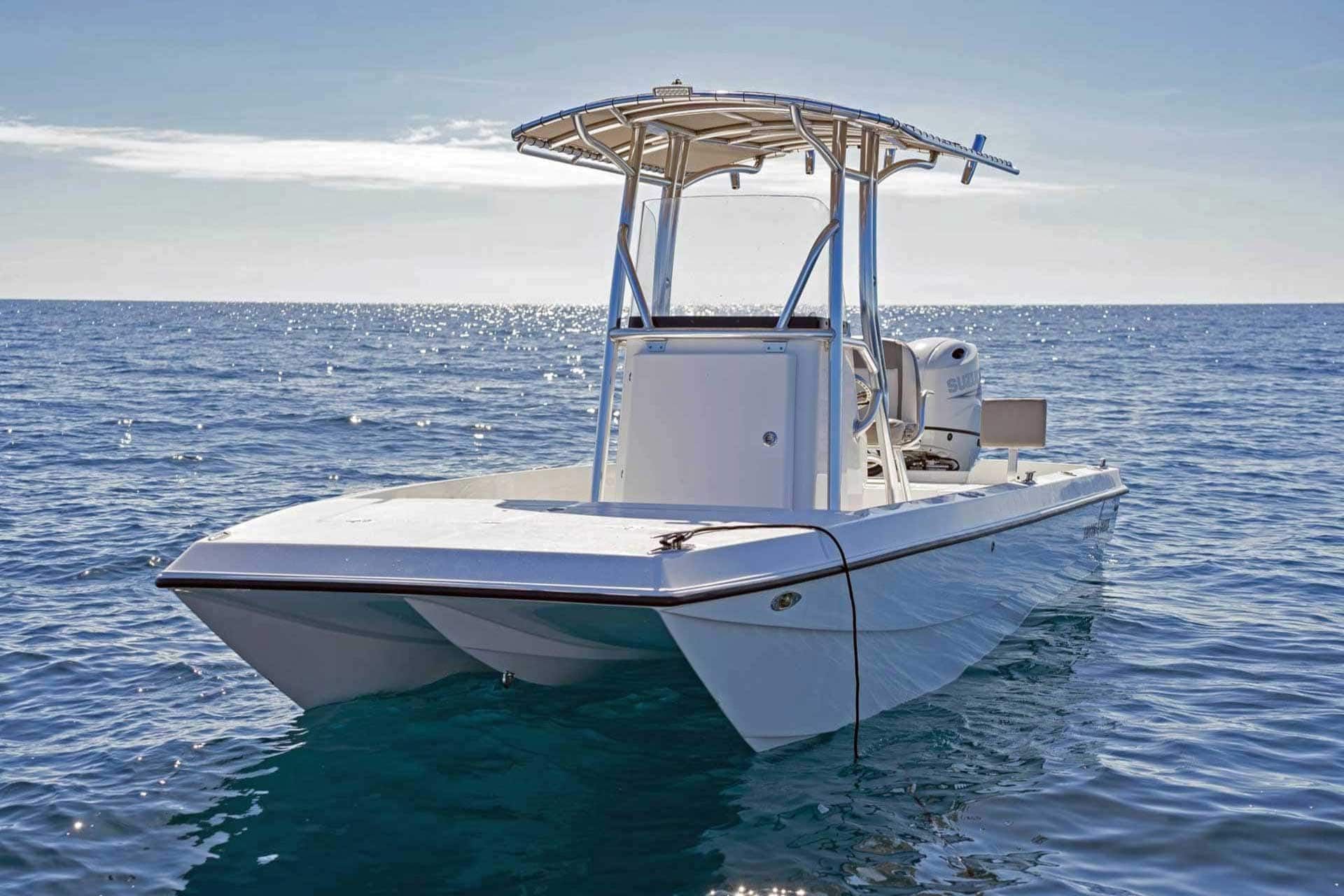
A Falcon catamaran starts from a proven platform — the F22, F24, F26, or the Bay22 for anglers who need to get skinny. The twin-hull architecture, the stability, the deck layout philosophy: that foundation doesn't change from build to build, and it shouldn't. That's the part of the boat that's been refined over time, and it's what makes the ride predictable in a chop and steady at rest, whether you're anchored for lunch or standing on the bow casting.
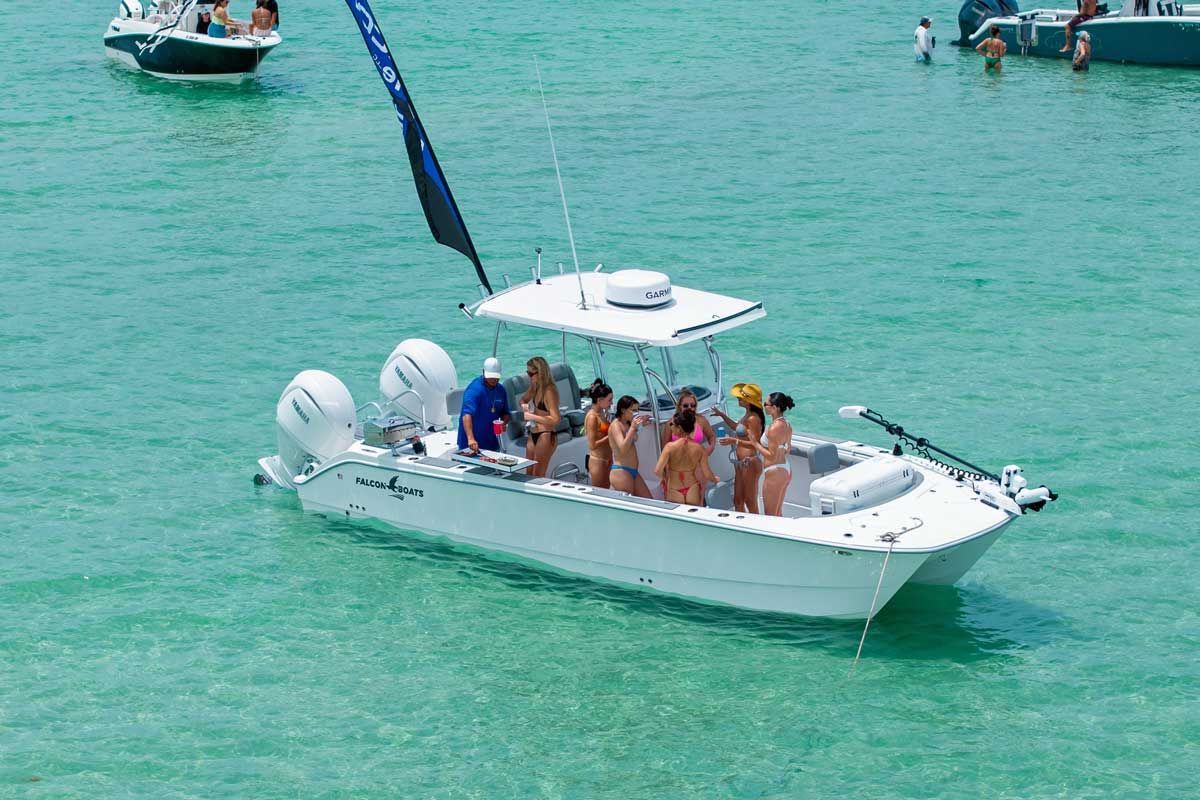
What changes is everything layered on top of that foundation. A family that wants to spend weekends anchored off a sandbar with kids and a cooler needs a different cockpit setup than a couple that fishes three mornings a week and wants rod storage within arm's reach of the helm. Both of those people might end up in an F24. Neither of them ends up with the same boat.
This is where the conversation actually starts to matter. We ask how you spend your time on the water now, and — just as important — how you expect to spend it in five years. Kids get older. Fishing habits shift from casting off the bow to trolling offshore. A boat bought for one season of use often gets asked to do a second job later, and the builds that age well are the ones where somebody thought about that up front instead of bolting on accessories after the fact.
What "Built Around Your Life" Looks Like in Practice
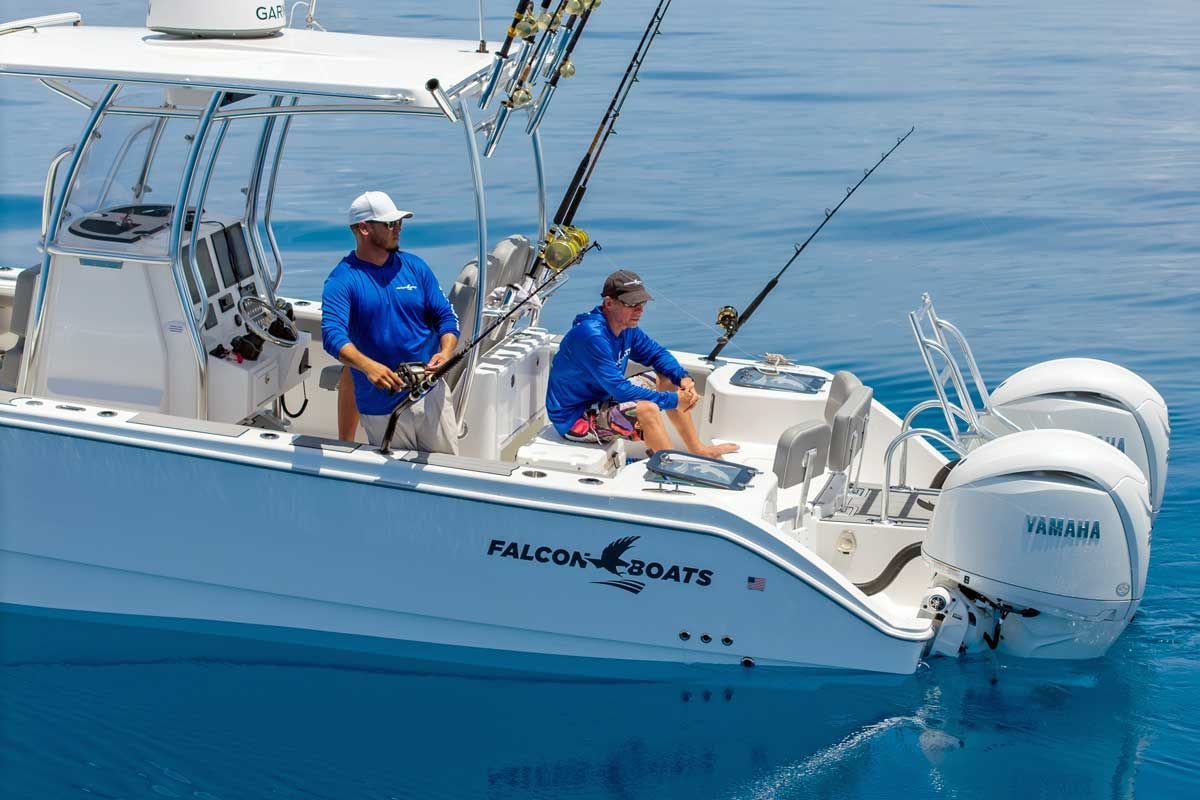
It shows up in small decisions more than big ones. Seating that converts from a casting platform to lounge space. Storage placed for tackle instead of being assumed to be for life jackets. A helm layout that puts electronics where a fisherman actually looks, not where a factory template puts them. None of this requires exotic engineering. It requires listening before building, and it requires a shop that isn't running the same fixed build sheet on every hull that comes down the line.
We also hear from people who assumed semi-custom meant a long wait and a blank-check budget. Neither has to be true. Because we start from a hull platform that's already dialed in, the customization happens at the layout and equipment level, not at the level of reinventing the boat from scratch for every customer. That keeps the process grounded instead of turning into an open-ended design project that never quite lands.
Fishermen, Families, and the Boats in Between
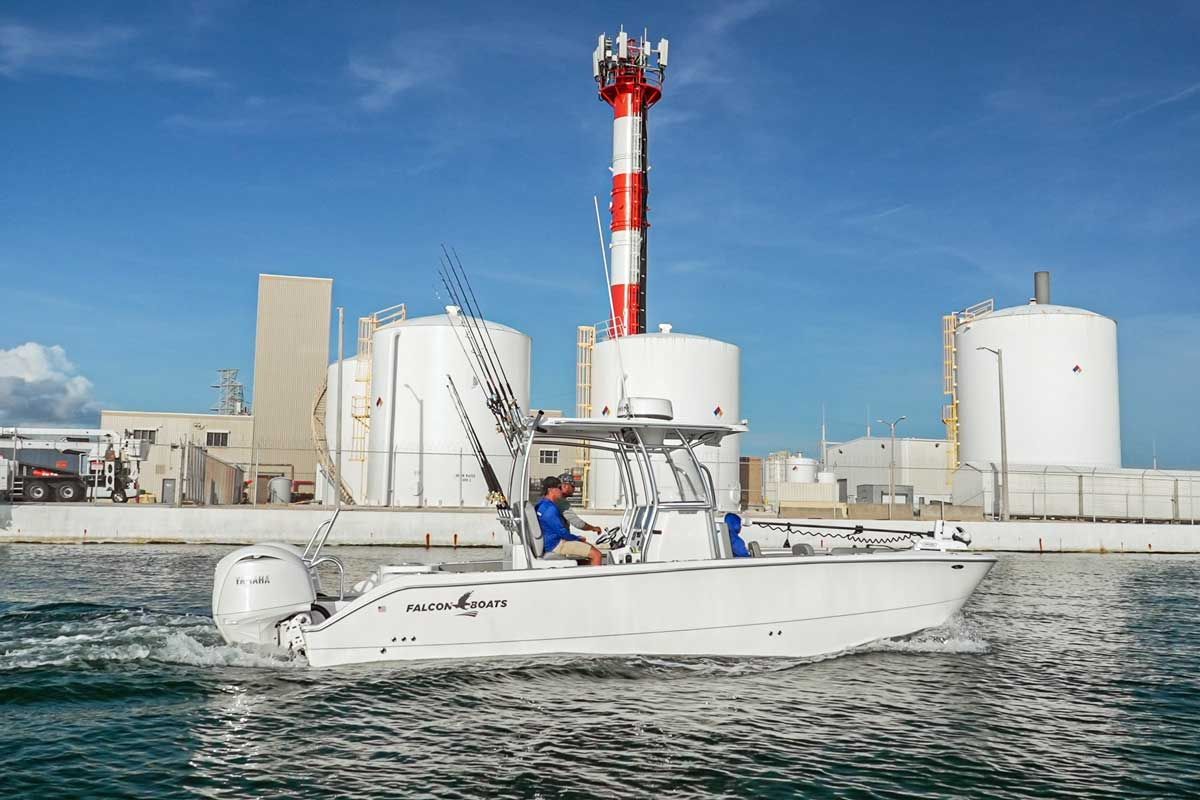
The F22 tends to draw people who want an entry point into catamaran ownership without giving up the deck space and stability that make the twin-hull format worth choosing in the first place. It's a boat that handles a day of casual fishing and a day of hosting friends equally well, which is exactly the flexibility a lot of first-time cat owners are looking for.
Step up to the F24 or F26, and you get more room to have that "built around your life" conversation in real terms — more deck to configure, more layout choices that affect how a family of four uses the boat differently than a pair of serious anglers would. These are the models where the semi-custom part of the build really earns its name, because there's enough platform to work with that two F26 owners can end up with boats that feel purpose-built for completely different weekends.
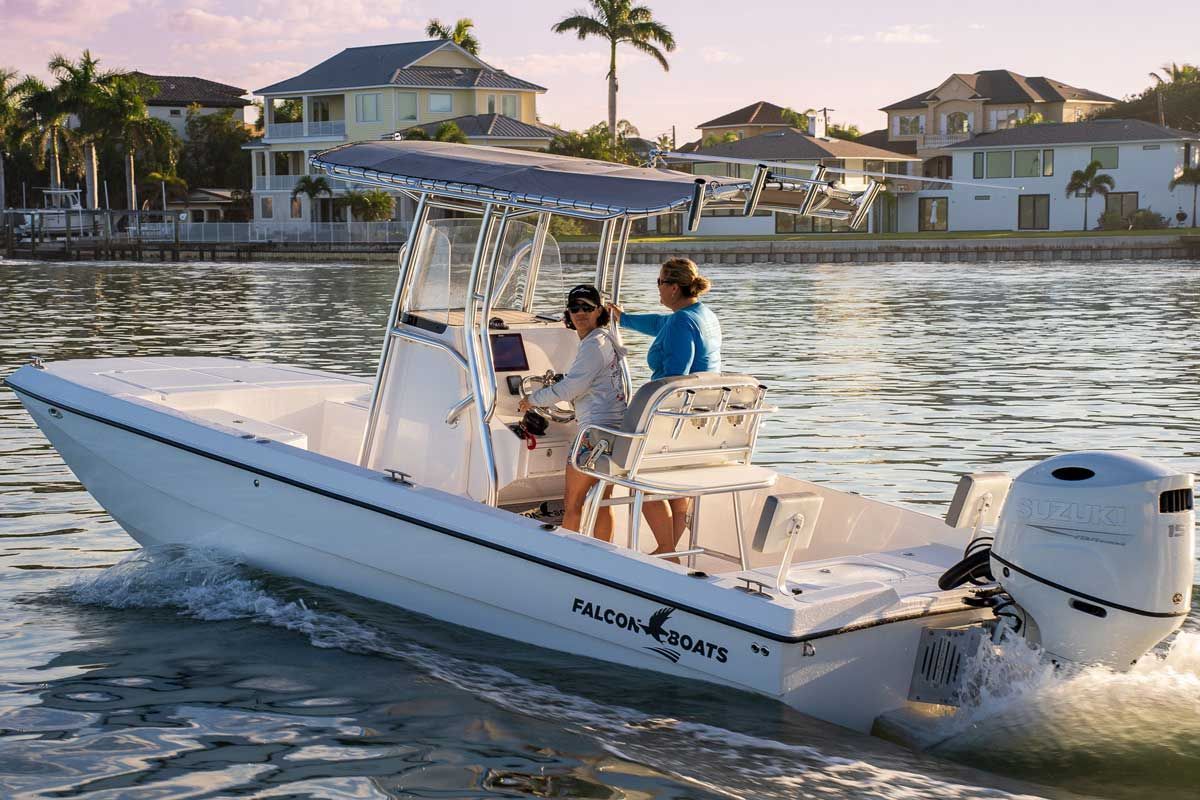
Then there's the Bay22, which exists because a huge number of the fishermen we talk to care more about shallow-draft access than almost anything else. Skinny water changes what's possible on a fishing day, and the Bay22 is built around that priority first, with everything else in the layout following from it. If your fishing life happens in three feet of water or less, this is the conversation that starts differently from day one.
Why This Approach Holds Up Over Time
A boat that fits exactly how you fished or boated the year you bought it can start to feel like a compromise five years later, once your family's grown or your fishing style has changed. Semi-custom building doesn't make a boat immune to that, but it does mean the decisions made at the build stage were made around actual use rather than around what looked good on a showroom floor. That tends to age better. Owners who were part of shaping their layout tend to describe their boats less as "the one we could afford" and more as "the one that fits."
It also changes the relationship you have with the builder. A cookie-cutter purchase ends at delivery. A semi-custom build starts with a real back-and-forth about your plans for the boat, which means by the time it's in the water, the people who built it already understand how you're going to use it — and that context doesn't evaporate once the sale is final.
The Questions We Actually Ask
People are sometimes surprised by how little of the initial conversation is about the boat itself. We spend more time asking about the water you fish or boat in, who's usually aboard, and what a frustrating day on your current boat looks like than we do walking through options and upgrades. A frustrating day tells us more than a wish list does. If your current boat runs out of deck space the moment three friends bring coolers aboard, that's a layout problem worth solving directly rather than something to work around with better packing.
We also ask about any boats you've owned before and what you'd change about each one. Most people have a running list of small annoyances they've never voiced to a builder because nobody ever asked — a rod holder in the wrong spot, a cooler that doesn't fit where it needs to, a helm seat that blocks the view when you're standing to look for structure. None of that shows up on a spec sheet, and all of it shows up in how much you actually enjoy a day on the water..
Semi-Custom Doesn't Mean Slower or More Expensive by Default
There's a common assumption that customization automatically means a longer build and a bigger number at the end. That's true of fully custom builds, where every hull is engineered from a blank page. It's not how semi-custom works. Because the platform is already established, most of the customization happens in layout, storage, seating, and equipment choices layered onto a hull design that's already proven. That keeps the process realistic instead of open-ended, and it means the extra attention goes toward decisions that actually affect how you use the boat, not toward reinventing parts of it that didn't need reinventing.
Where to Start
If you're comparing catamarans right now, the platform differences between the F22, F24, F26, and Bay22 matter, but they're only half the picture. The other half is the conversation about layout, storage, seating, and rigging that turns one of those platforms into your boat specifically. Browse the full model lineup to get a sense of which platform fits your water first, then bring us the details of how you actually plan to use it.
We'd rather spend 20 extra minutes up front asking questions about your typical weekend than deliver a boat that needs rework 6 months in. If you're ready to have that conversation,
request a quote and tell us what your time on the water actually looks like. That's where a semi-custom build really begins — not at the spec sheet, but at your answer to that question.