Family Boating 101: What to Look for in a Catamaran You'll Own for Years
Most people shopping for a family boat make the same mistake: they picture this summer. The first trip out, the kids jumping off the swim platform, the weekend at the sandbar with the cooler packed. That's a fine place to start, but it's the wrong place to stop, because a family boat isn't really a purchase for this summer. It's a purchase for the next several summers, with a family that's going to change shape the entire time you own it.
Toddlers become kids who want to drive. Kids become teenagers who bring friends. A boat that's perfect for a family of three with a baby can feel cramped and awkward for the same family five years later. So the real question isn't "what do we need right now" — it's "what won't we outgrow."
Deck Space Ages Better Than Almost Anything Else
Of everything on a boat, usable deck space is the feature that keeps paying off as your family grows. A tight cockpit that feels fine for two adults and a toddler starts to feel small fast once there are coolers, tubes, extra towels, a dog, and a couple of your kid's friends along for the ride.
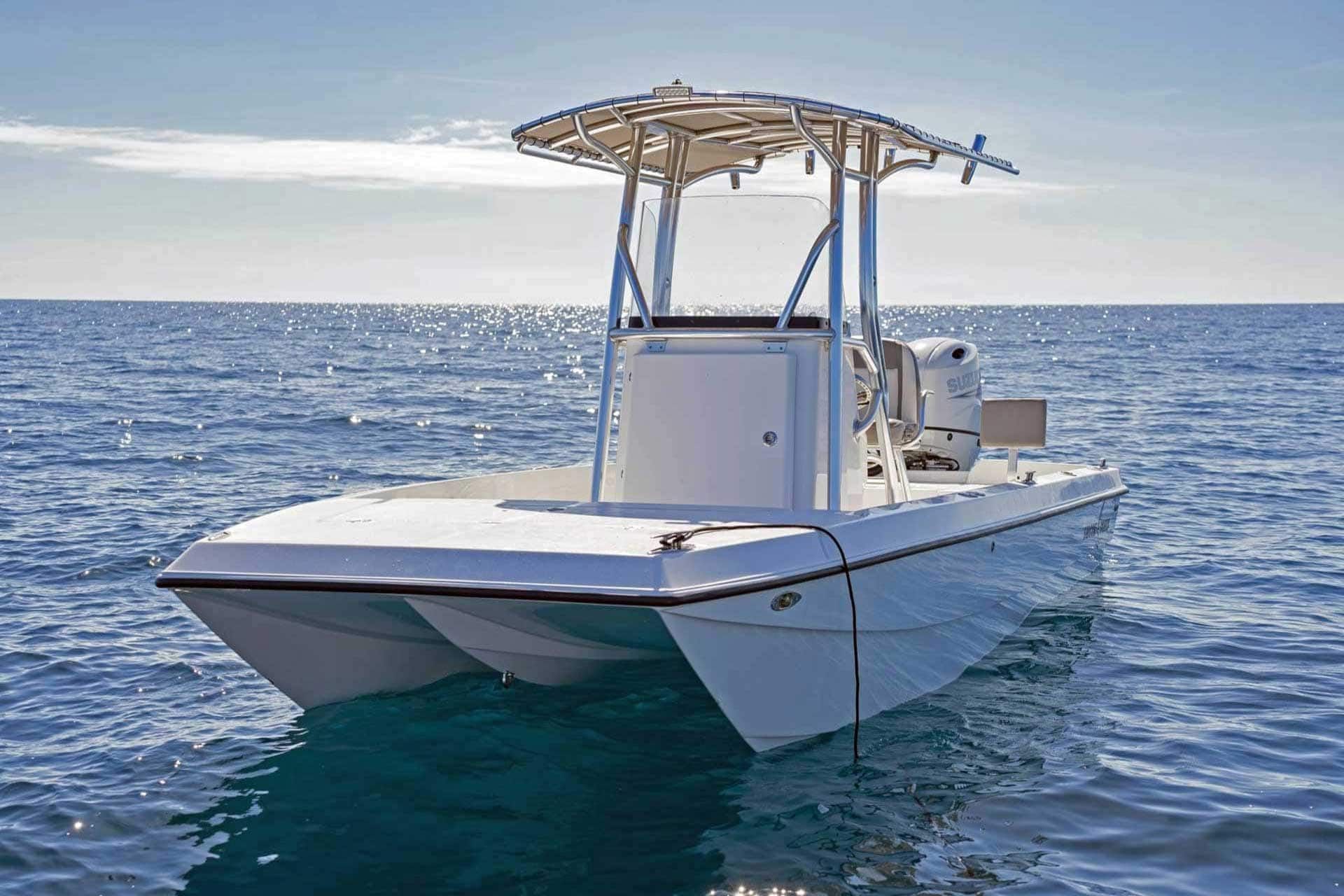
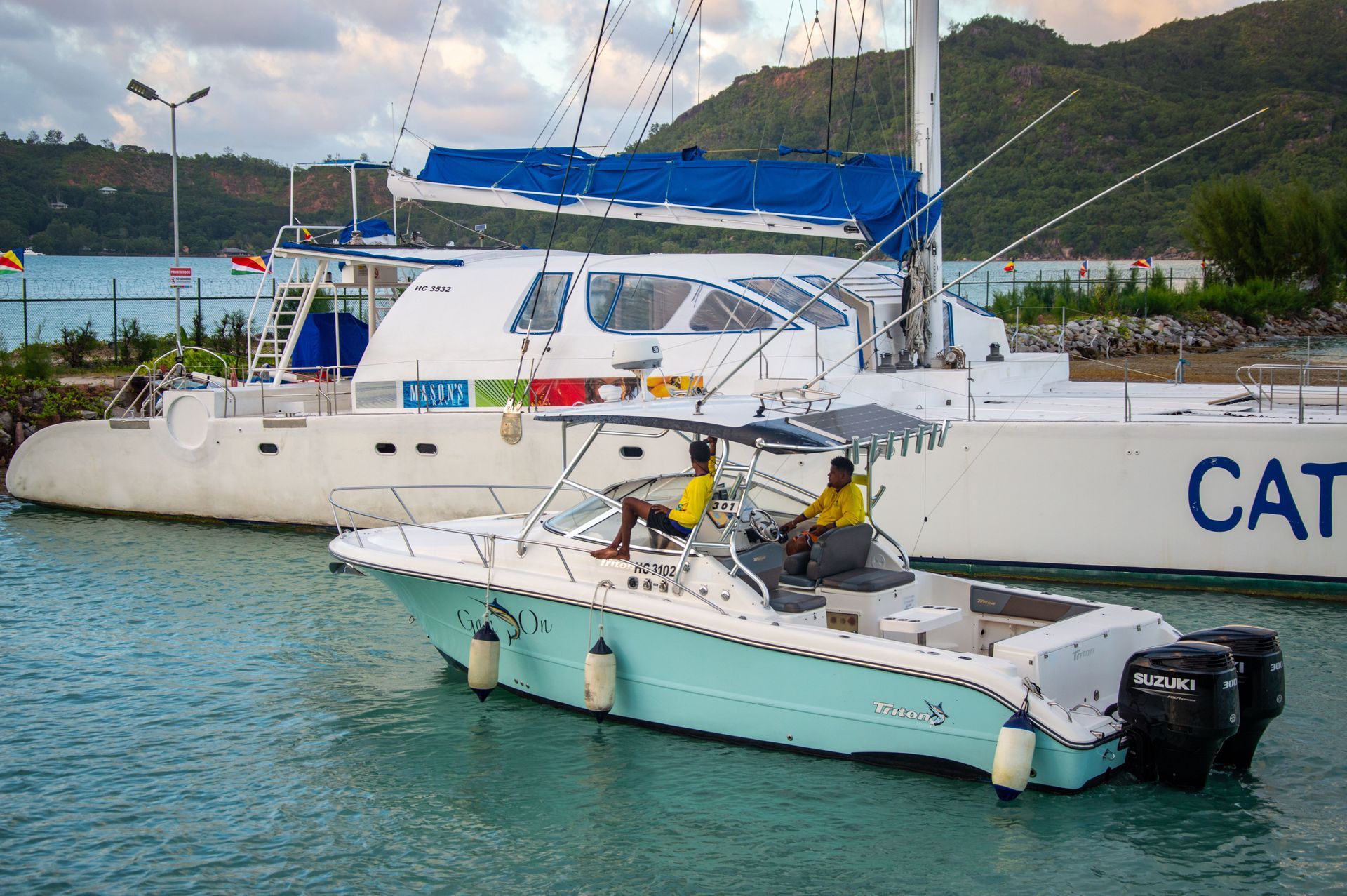
This is one of the clearest advantages of a catamaran layout. Because the hull doesn't need the deep-V centerline a monohull relies on, that width translates into real, usable floor space rather than a narrow walkway between two seating pods. More deck means more room to grow into, not just more room to fill up on day one.
Stability Matters Differently at Every Age
When your kids are small, stability is about safety — a boat that doesn't rock hard when someone shifts their weight, so a wobbly toddler or a nervous new swimmer isn't fighting the deck along with everything else. As they get older, that same stability becomes about confidence: teaching a teenager to dock, letting a less experienced adult take the wheel, having friends aboard who've never been on a boat before.
A catamaran's twin-hull stability shows up at every one of those stages, just in a different way each time. A single feature rarely stays this relevant across an entire decade of family life, but a stable platform is one of them.
Low-Maintenance Builds Protect Your Actual Time
Every boat owner eventually learns the same lesson: the boat you love is the boat that's ready when you are. If maintenance eats your weekends, the boat quietly turns into a source of guilt instead of a source of fun, and it starts getting used less — right around the time your kids are at the age where they'd get the most out of it.
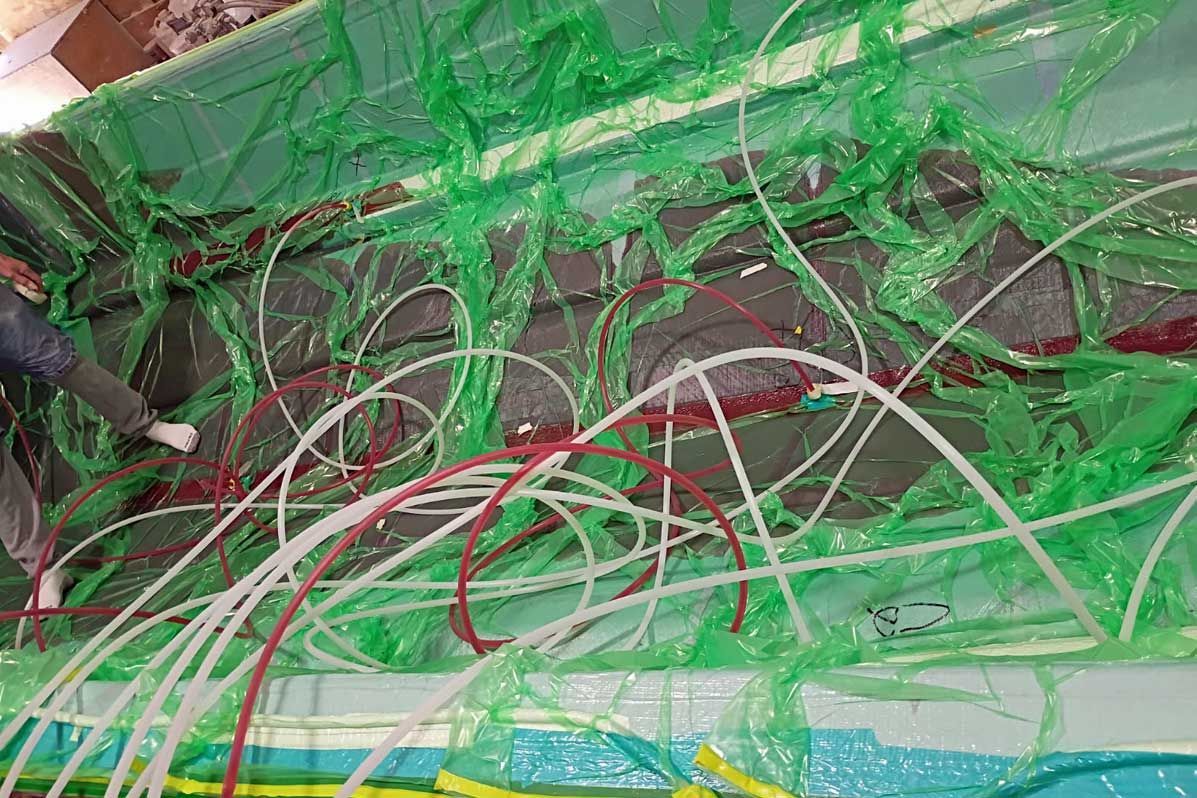
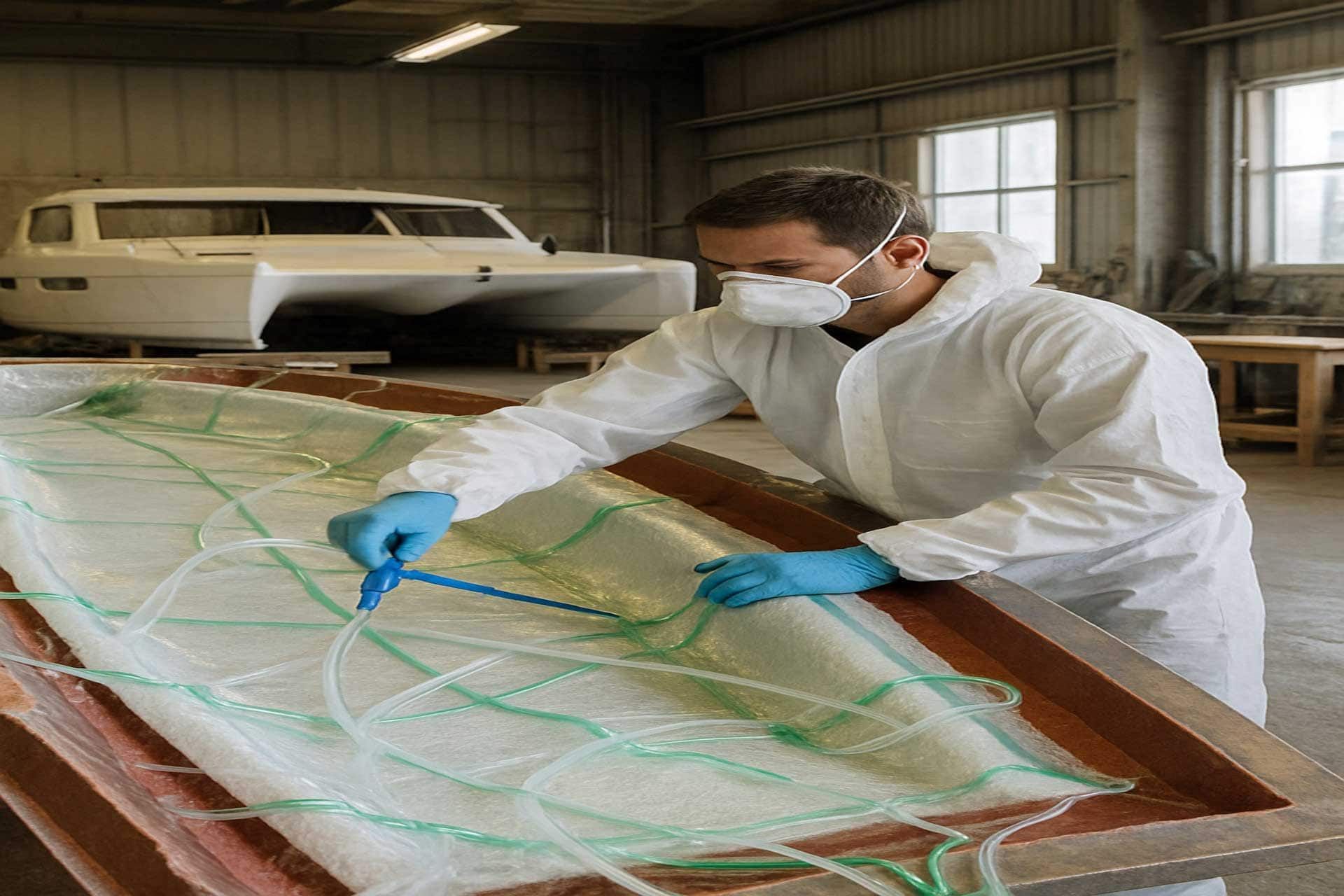
This is where build quality earns its keep long after the sale is over. A well-built fiberglass catamaran, maintained the way it's meant to be, holds up to years of family use — sunscreen, sandy feet, saltwater, the occasional bumped dock — without turning into a second job. That's not a flashy selling point, but it's the one that determines whether the boat is still getting used in year six.
Flexibility for a Family That Doesn't Stay the Same
The honest version of family boating is that your needs this year probably won't match your needs in three years. A layout that works for two adults and a baby needs to also work reasonably well once that baby is a nine-year-old who wants to fish, and later a teenager who wants to bring three friends to the sandbar.
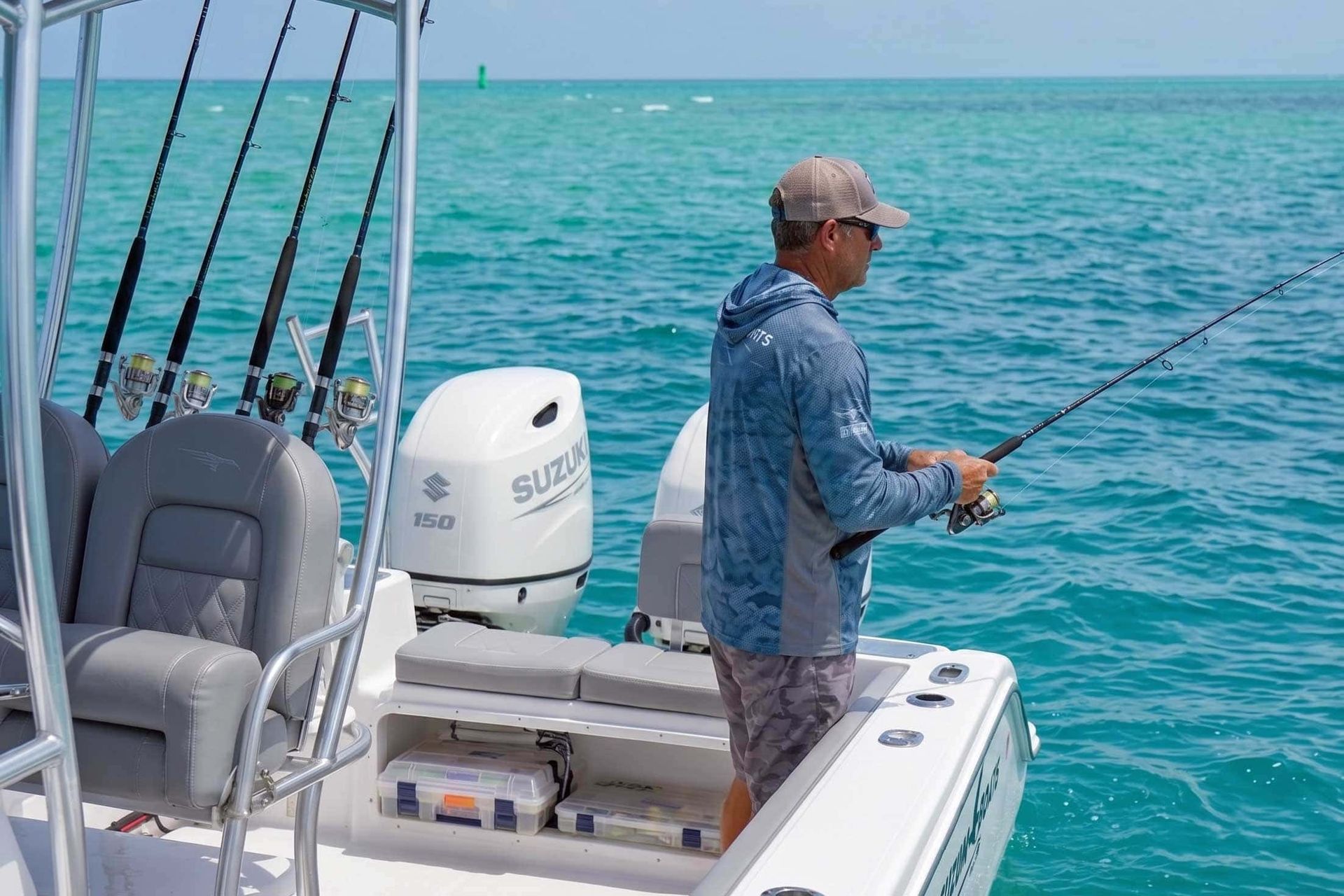
Falcon builds across a range, from the more compact F22 up through the F24 and F26, plus the flats-oriented Bay22 for families who split time between fishing and lounging. Because these are semi-custom builds, the conversation isn't "which stock boat fits us best" — it's "how do we build one that fits where our family actually is, and where it's headed."
Browse the full model lineup to see how the sizes and layouts differ.
What Ownership Actually Costs You Over Time
Nobody wants to think about maintenance costs while they're picturing summer afternoons, but it's the part of the decision that determines whether you still like owning the boat in year four. This is another place semi-custom construction pays off: a build made with your actual use in mind tends to need less retrofitting, fewer awkward workarounds, and less of the ongoing tinkering that turns into hours you didn't plan for.
It's worth asking directly, before you buy, what upkeep looks like for the specific hull and layout you're considering — not in vague terms, but for your actual boat. A builder who can walk you through that honestly, model by model, is telling you something about how they think about ownership after the sale, not just before it.
Teaching the Next Generation to Drive
At some point, almost every family boat owner faces the same milestone: a kid old enough, and eager enough, to take the wheel. That transition goes a lot smoother on a platform that's forgiving rather than twitchy. A stable hull gives a nervous new driver, or a nervous parent standing next to one, some margin for the small mistakes that come with learning.
It's a small thing in the moment, but it shapes whether boating turns into a shared family skill passed down over years, or something only one person in the house ever really learns to do. A boat that makes that handoff easier is doing more for your family's long-term relationship with the water than almost any other single factor.
Room for the Boat to Grow With Your Plans
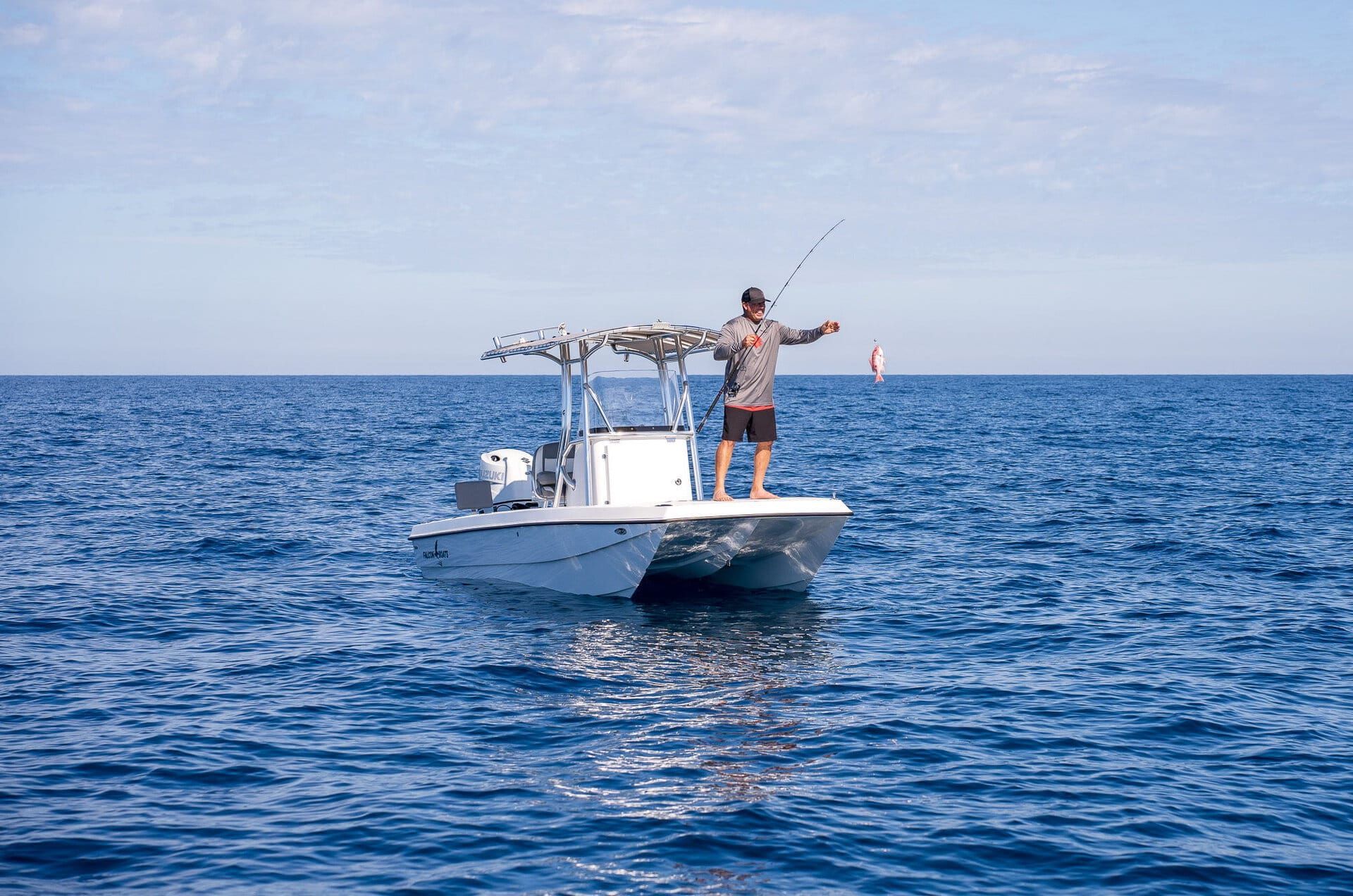
Family boating rarely stays confined to one kind of trip. The same boat that handles a lazy sandbar afternoon also needs to work for an early morning fishing trip with one kid who's finally old enough to be patient, and later for hosting your teenager's friends on a Saturday. A rigid, single-purpose layout struggles to flex across that range. A semi-custom build doesn't have to, because the layout gets built around the range of things your family actually plans to do with it — not just the version of boating you're doing this year.
Buying From People Who'll Still Be There
A boat you plan to own for years is also a relationship with whoever built it, whether you think about it that way or not. Questions come up. Parts wear out. You might want to talk through a layout tweak two seasons in that you didn't think to ask about at delivery. That's a very different experience with a builder who knows your specific boat than it is starting from scratch with a stranger every time.
Falcon is a semi-custom builder for exactly this reason — the build process is meant to be a conversation, not a transaction, and that conversation doesn't end at delivery.
Learn more about how Falcon builds and what that relationship looks like in practice.
Start With Where Your Family Is Headed
The families who end up happiest with their boat five years in are usually the ones who thought past this summer when they bought it. Not because they predicted everything perfectly, but because they built in enough flexibility — in deck space, in layout, in the relationship with the builder — to grow into instead of out of.
If you're at the stage of picturing what your family's next several summers could look like, that's exactly the right time to start the conversation. Bring your actual questions, your actual family, and your actual plans for how you'll use the boat — that's what a semi-custom build is for.