
The Best Catamaran Features for Serious Inshore Fishermen
Ask ten inshore anglers what makes a good fishing boat, and you'll get ten different answers about hull design, poling ability, and how much gear they can cram under a console. But talk to enough of them, and a pattern shows up. The boats that get used the most and are recommended to friends aren't the ones with the flashiest graphics. They're the ones that disappear from under you — the ones where the boat stops being a variable and lets you fish.
That's a harder thing to build than it sounds, and it's a big part of why catamaran hulls have picked up so many converts among people who used to run monohull skiffs and bay boats exclusively.
Stability Changes What You Can Do on the Water
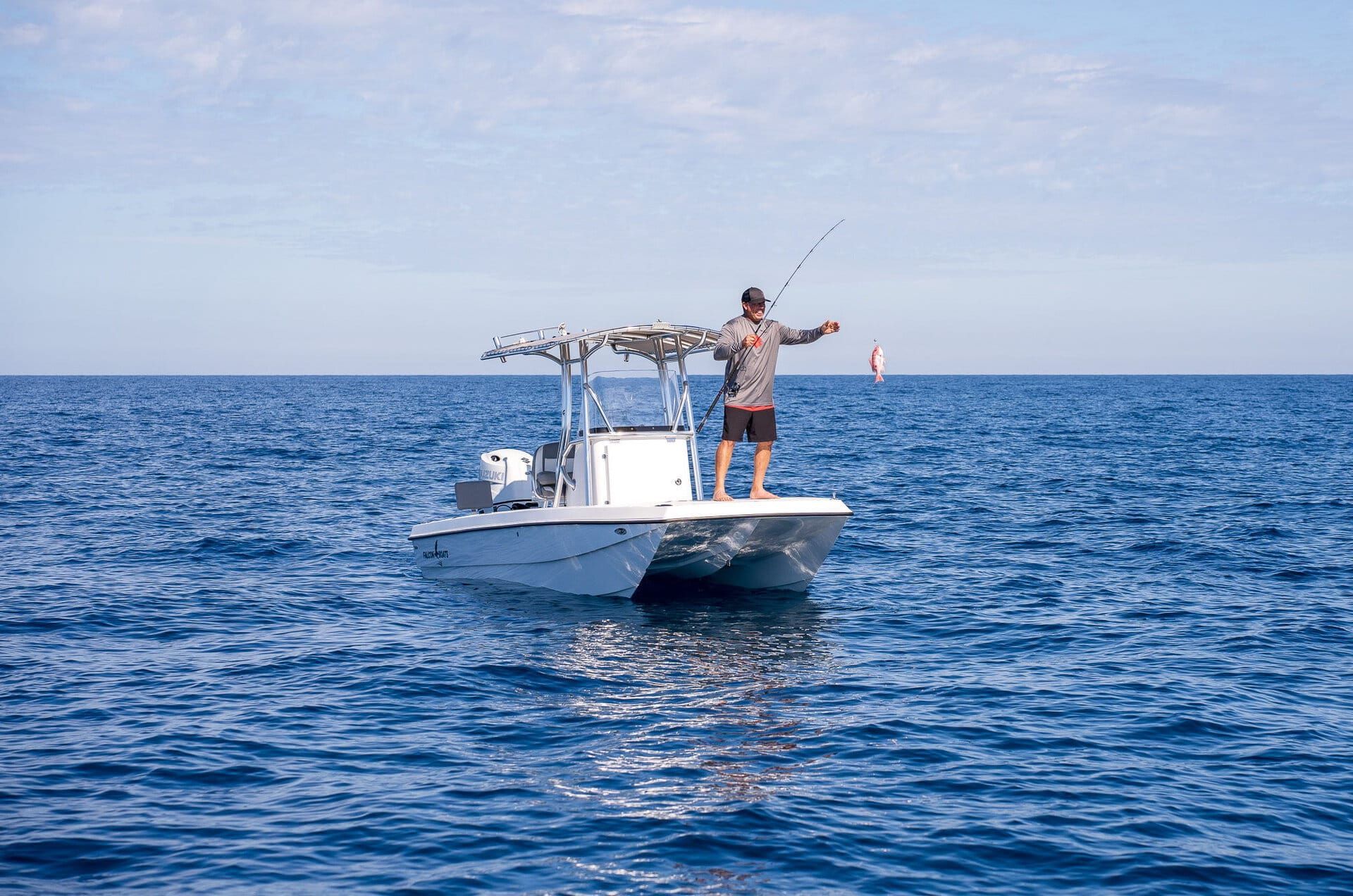
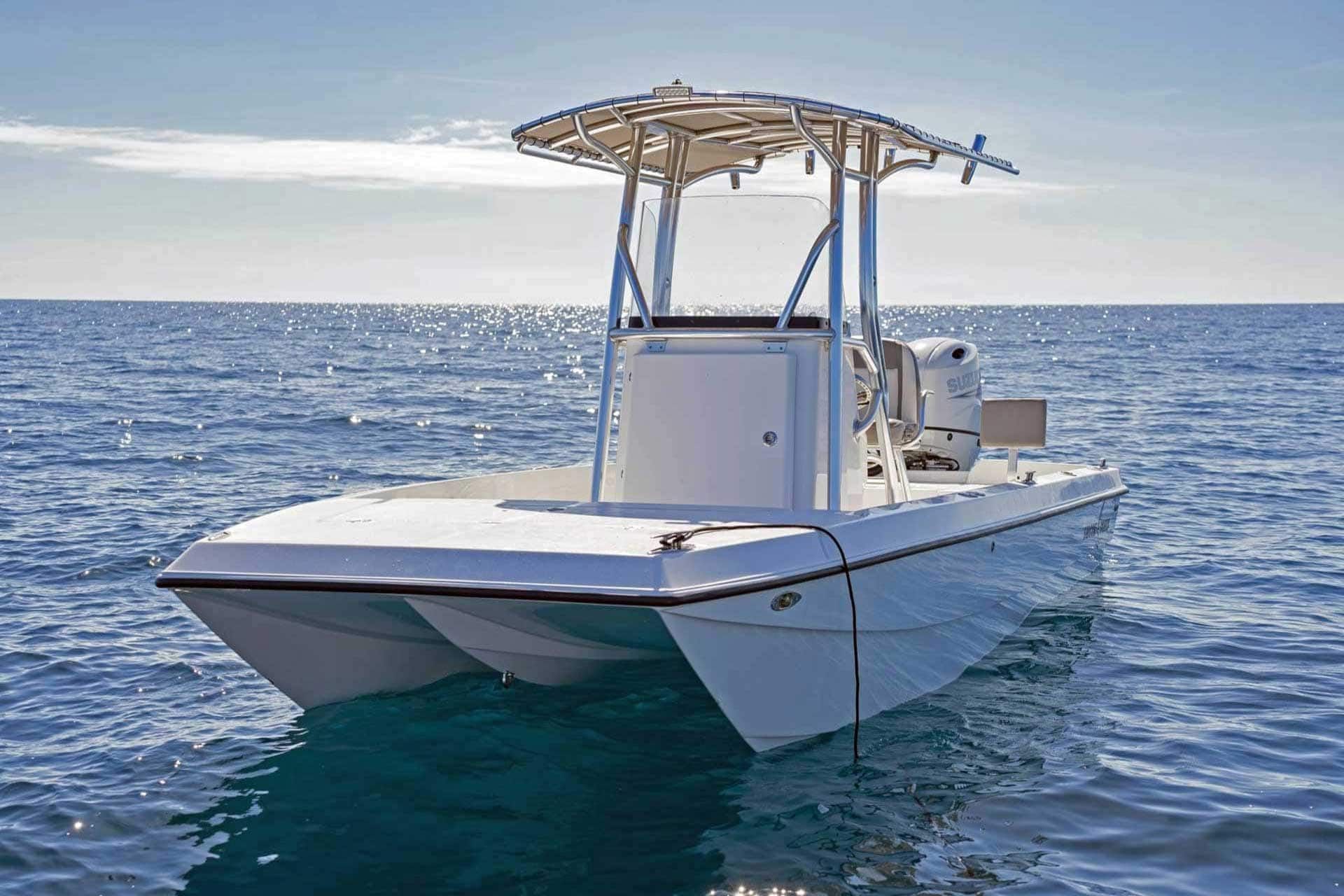
The twin-hull design is the obvious place to start, because it's the thing you notice in the first thirty seconds on the water. A catamaran's stability at rest isn't a marketing line — it's a function of having two hulls spread wide instead of one hull balanced on its keel. That translates directly into how you fish.
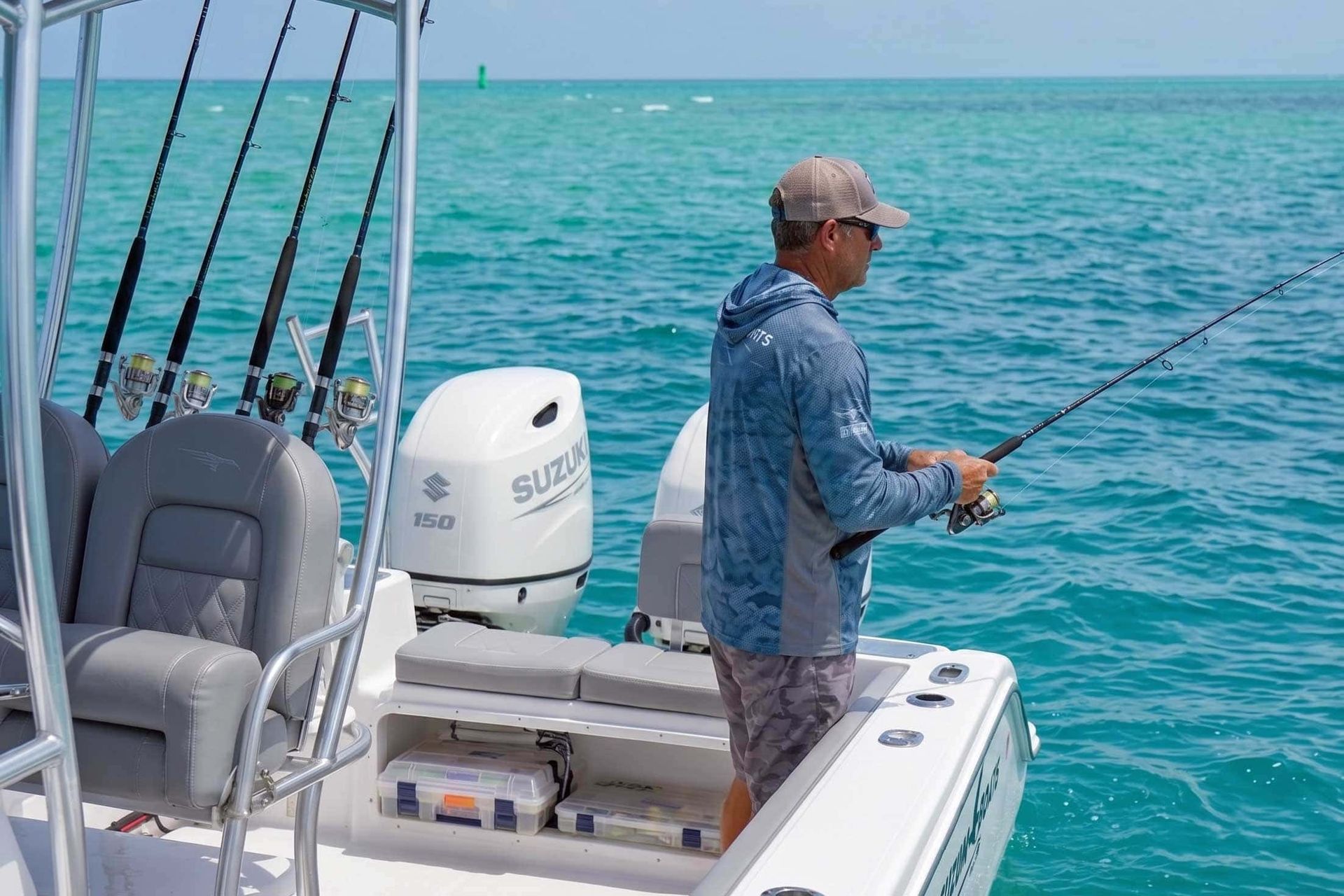
Standing on the bow to sight-cast doesn't feel like a balancing act. Your partner can move to the opposite corner to net a fish without the boat rolling underneath you. Kids or less experienced guests can move around the deck without everyone else bracing for it. None of this is about comfort for its own sake. Distracted anglers miss shots, hesitate on hooksets, and eventually stop fishing the technical water because it doesn't feel safe. A stable platform just means people fish longer and commit to harder casts.
Shallow Draft Opens Up Water You'd Otherwise Skip
Inshore fishing lives and dies on access. The best flats, the mullet-stacked creek mouths, the little sand pockets tucked behind the mangroves — that water rewards whoever can get there without spooking every fish in the zip code first. A shallow-draft hull matters here in a very literal way: it's the difference between running skinny water and running past it because you already know what happens if you don't.
This is where the Bay22 earns its reputation. It's built around bay and flats access as the whole point, not an afterthought bolted onto a general-purpose hull. If your fishing calendar is built around tide charts and skinny-water windows,
explore the Bay22 and see how the layout is set up for exactly that kind of day.
Deck Space Is a Fishing Feature, Not a Luxury
It's tempting to think of open deck space as a comfort upgrade, something for the family boating crowd rather than serious anglers. In practice, it's one of the most functional things on a fishing boat. A wide, uncluttered cockpit means you can actually work a fish without tripping over a cooler, fight from multiple angles when there's more than one rod bent, and stow rigged rods where you can grab the right one without a search.
Catamaran hulls tend to give you more usable beam for a given footprint, because the structure doesn't need the same deep-V centerline that a monohull relies on for handling. That width shows up as real floor space — room to move, room to store, room for a second angler to actually help instead of just being in the way.
Ride Quality on the Days You'd Normally Cancel
Anyone who fishes seriously eventually learns to stop trusting a perfect forecast. Wind picks up, a front moves through earlier than predicted, or the pass gets sloppier than the bay ever suggested it would. A boat that turns choppy conditions into a punishing ride doesn't just make for a rough afternoon — it shortens your season, because you start canceling trips you'd otherwise take.
The way a catamaran's twin hulls slice through chop, rather than pounding flat-bottomed into it, tends to soften that ride. You're not chasing calm water as hard, which means more usable fishing days on the calendar instead of more days spent checking the wind app and staying home.
Fuel Efficiency Extends Your Range
Serious inshore fishing often means running further than casual boaters bother to — chasing a bite that moved, checking three spots before committing, or running out to structure that's just far enough to matter. Efficiency isn't an abstract spec here. It's the difference between fishing three spots on a tank and fishing one.
Catamaran hulls are generally efficient for their size because they can move a wider, more stable platform without the drag penalty a monohull would pay for the same beam. Less fuel burned getting to your spot means more time actually on it, and more margin if the day runs long or the weather forces a longer route home.
Rigging That Matches How You Actually Fish
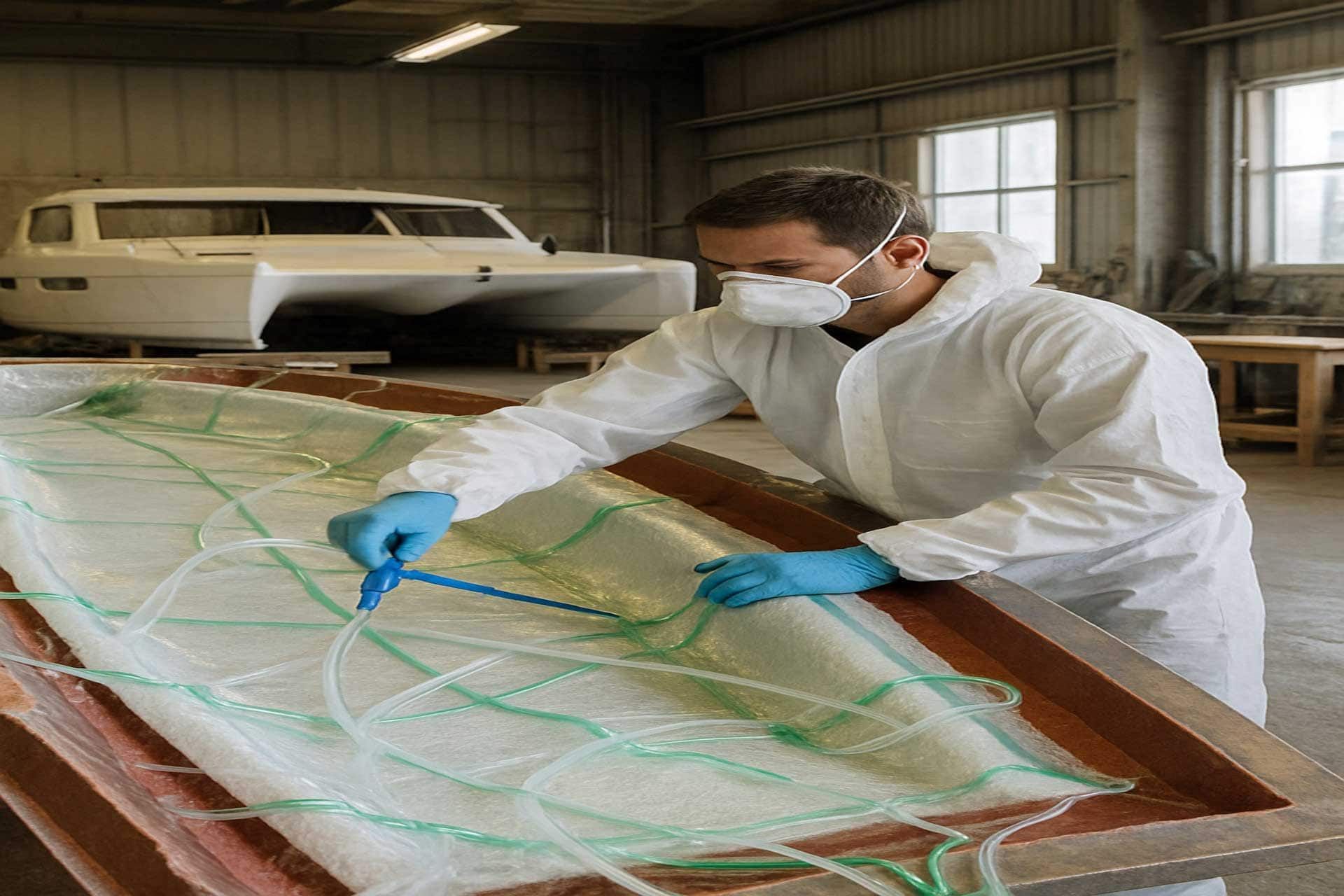
Every serious angler has a mental list of non-negotiables: rod storage that keeps rigged rods rigged, livewell placement that doesn't require a hike across the deck, casting platforms that don't feel like an afterthought. Because Falcon builds semi-custom, that list isn't a wish — it's a conversation. You're not stuck retrofitting a stock layout to fit how you fish. The build process starts with how you actually use a boat and works backward into the layout.
That matters more than it sounds like it should. A rod holder in the wrong spot, or a livewell you have to lean too far to reach, turns into a daily annoyance that no amount of horsepower fixes. Multiply that annoyance across a full season of trips, and it adds up to real wasted motion — time spent working around the boat instead of fishing from it.
The same logic applies to smaller things anglers tend to notice only after they've lived with a boat for a while: where the cooler sits relative to the leaning post, whether there's a dry spot for electronics, how far you have to reach to net a fish on the opposite gunwale. None of these show up on a spec sheet, but they shape how a boat actually feels to fish from, day after day.
Poling and Quiet Approaches on Skinny Water
Serious inshore anglers know that the last fifty feet of an approach often decides whether a trip produces or doesn't. A boat that's noisy getting into position, or that draws too much water to get within casting range in the first place, puts you at a disadvantage before the first cast ever happens.
A shallow-draft catamaran built with poling and quiet approaches in mind changes that math. Getting closer without spooking fish, holding position in current without constantly repositioning, and being able to back out of skinny water without drama all come down to how the hull is designed for that specific kind of fishing, rather than adapted from a boat meant for something else.
Storage That Doesn't Force Trade-Offs
A day of serious inshore fishing usually means more gear than a casual outing: multiple rod combinations for different presentations, a selection of lures and leader material, maybe a cast net, definitely more ice and water than you think you'll need. Storage that forces you to choose between rod capacity and cooler space, or between tackle organization and walking room, wears on you over a full season even if it doesn't bother you on a single trip.
Because the layout is built around your specific fishing style rather than a one-size-fits-all template, storage stops being a compromise. Rod lockers, tackle stations, and cooler space get placed where they actually make sense for how you rig and how you move around the boat.
Building Toward Your Season, Not Someone Else's
The common thread through all of this isn't any single feature — it's that a fishing catamaran built right treats the water itself as the design brief. Stability, shallow draft, deck space, ride, efficiency, and layout all point toward the same goal: getting you to more fish, more often, with less fighting the boat to get there.
If you're ready to talk through what your season actually looks like — the water you fish, the way you rig, the trips you keep having to skip —
request a quote and start the conversation. The best time to fix next season's frustrations is before the boat's already built.